Chasing Shooting Stars
Watch the Sun disappear behind the Moon during a rare evening eclipse, cook dinner outside, stay somewhere with almost no light pollution and finish the night counting shooting stars.
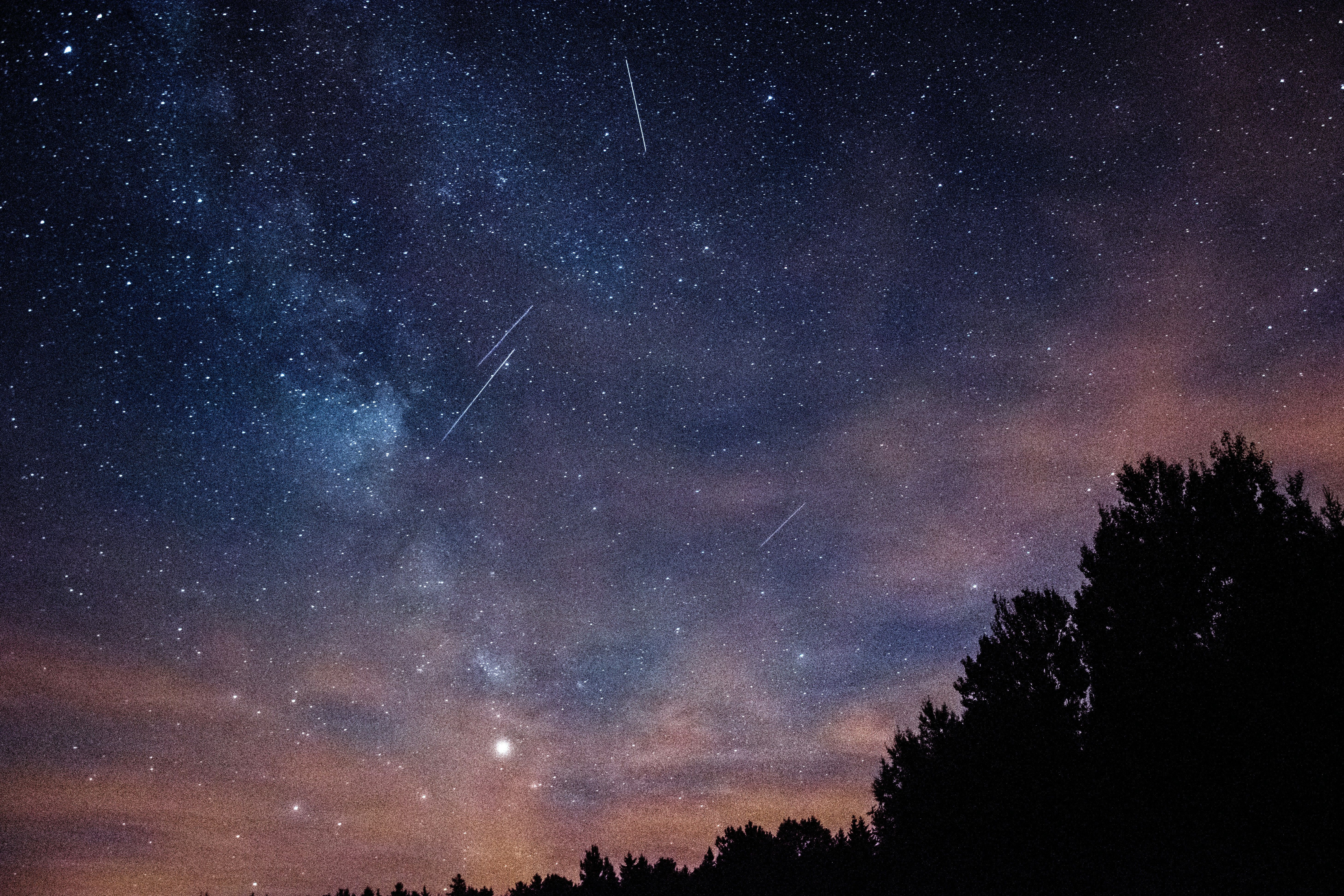
Most people will watch the eclipse from their balcony. We'd rather make a night of it. This is one of those evenings you'll remember years later—not because everything was spectacular, but because you deliberately slowed down enough to notice it. Watch the sky change colour as almost 90% of the Sun disappears, cook dinner outdoors, stay up a little later than you normally would and wait for the first shooting star. Sometimes the best plans involve doing almost nothing. Recommended stay - anywhere with little light pollution. We recommend TinyParks Cast Away. Around one hour from Amsterdam, beside the Markermeer, with little surrounding light pollution compared to the city. It's an easy drive, feels like a proper escape without becoming a road trip, and works well for watching the evening sky.
Book here17:00
Leave Amsterdam. Pick up good bread, cheese, fruit and a bottle of wine on the way.
19:15
Find an open west-facing spot and watch the eclipse begin. Remember to use certified eclipse glasses—never look directly at the Sun without proper eye protection.
20:00
Maximum eclipse. The light becomes noticeably softer and darker as the Moon covers roughly 90% of the Sun over Amsterdam.
21:30
Dinner outside. No rush. No phones.
23:00 onwards
Wrap yourself in a blanket. Lie back. Look up. The Perseids should become increasingly active as the night gets darker, with peak viewing from late evening into the early hours. Under ideal dark skies, up to around 100 meteors per hour are possible.
Would you actually go?